

Smarter AI agents start with better-connected data
Jesús Barrasa of Neo4j explains how Agentic AI, powered by connected data and graph technology, enables smarter, autonomous decisions with greater trust, accuracy, and insight.
Jesús Barrasa of Neo4j explains how Agentic AI, powered by connected data and graph technology, enables smarter, autonomous decisions with greater trust, accuracy, and insight.

MobileIron’s David Critchley says frontline workers must be better protected against cyber threats

DataStax’s Patrick Callaghan says traditional databases are no longer able to scale up to meet business needs

Brandon Bagley, Senior Data Scientist at Cloudreach, outlines the vital steps to machine learning adoption

Gabi Sicher, Engagement Manager at ThoughtSpot, explains how strong leadership helps improve diversity and inclusion in tech

James Eiloart, SVP EMEA at Tableau, discusses the value of embracing a startup mindset for your data analytics strategy
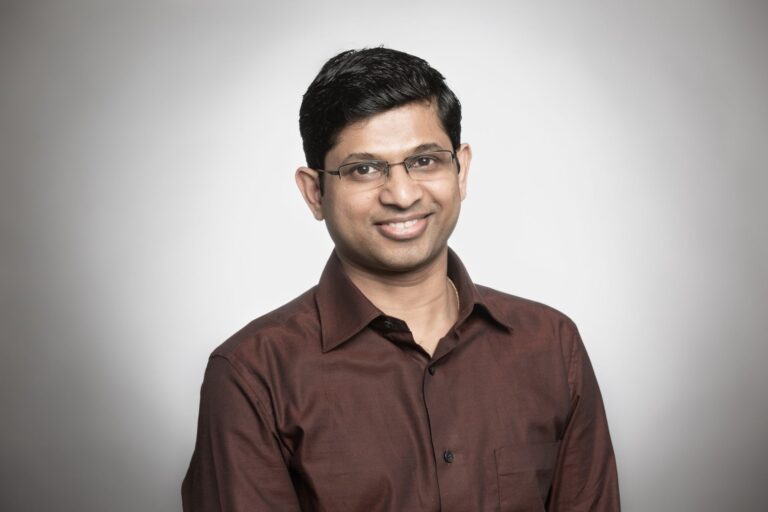
Shivnath Babu, co-founder & CTO at Unravel Data Systems, on the healthcare industry’s evolution to DataOps

BeyondTrust’s CISO/CTO Morey Haber explains what the military can teach us about combatting 5G attacks

Teradata’s Kevin Lewis assesses the characteristics of different Chief Data Officers

Ian Sharpe, CEO at Promethean TV, explains how augmented advertising could revolutionise audience engagement

David Northmore, EMEA VP at MarkLogic, discusses the importance of good data, and why neglecting quality could cause a real problem for AI

Safwan Zaheer, founder of hundredX and former head of digital banking at KPMG US, on the big events that changed fintech forever

A combination that isn’t as strange as you’d think, according to Mike Rymanov, CEO at DSX

Educating people is the future of cybersecurity, says Cyber Risk Aware CEO Stephen Burke

TotallyMoney CEO Alastair Douglas on why investing in employees is the first rule of successful growth

John Vickery, Principal Technology Architect for BT, gives us its top 5G predictions for 2020

KPMG’s Adrian Bradley discusses why cloud should be seen as a value driving asset, not a financial burden

IBM’s Martin Fleming, VP, chief economist and Maureen Norton, global data scientist profession leader, discuss the war on data talent
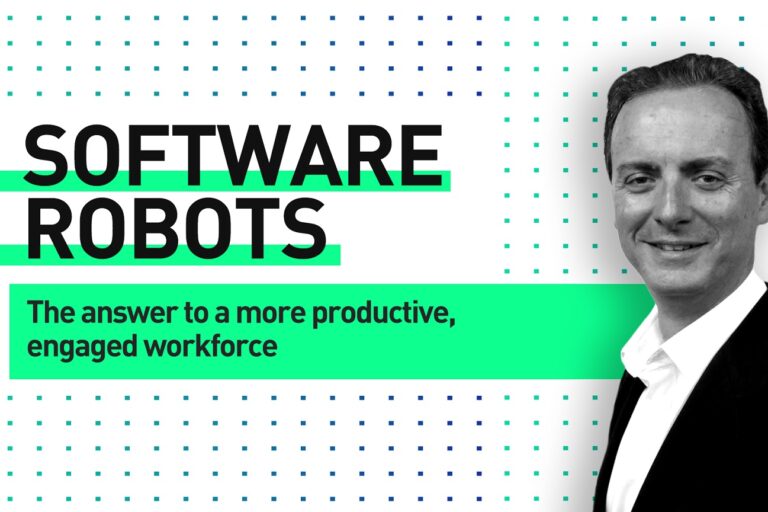
Guy Kirkwood, Chief Evangelist at UiPath discusses whether Robotic Process Automation (RPA) is the answer to a more productive and engaged workforce

Teradata’s Atif Kureishy talks about how AI and deep learning are changing the sports game

Dr Sally Epstein asks whether serious risk-taking is essential to developing truly autonomous vehicles

It is important for IT professionals to leverage new technologies to go green, says Eaton’s Ciaran Forde

Spencer Young, regional vice president EMEA at Imperva, discusses the impact of AI on security practices

Joe Baguley, VP & CTO, VMware on the digital revolution of employee experience.

Caiming Xiong, Director, Salesforce Research on the secrets of AI, and how to overcome the misconceptions that often lead to stifled innovation

Karolina Boremalm and her team have introduced a new DesignOps strategy to IKEA Retail (Ingka Group).

A digital transformation driving unprecedented growth for Poland’s most famous chocolate brand.

In this episode, Duncan Cousins and Henrik Nilsson from Apptio debate ‘quantum computing’, ‘digital evangelist’, ‘DevOps’ and more.

This month Ben, Rom and James look at the extraordinary investments made into Reliance Jio Platforms over recent months and discuss the wider technology landscape in India. They also chat about our case study with UK telco KCOM, while Ben speaks to AppDynamics regional CTO Gregg Ostrowski about the mounting pressure on IT teams.

How VR and AR could illuminate data in new ways

Roger Nichols, Keysight’s 6G programme manager explores what is needed to make the 6G vision a reality.

Terry Walby, founder and CEO of Blue Prism Cloud, discusses the new drivers of automation
MobileIron’s David Critchley says frontline workers must be better protected against cyber threats
DataStax’s Patrick Callaghan says traditional databases are no longer able to scale up to meet business needs
Brandon Bagley, Senior Data Scientist at Cloudreach, outlines the vital steps to machine learning adoption
Gabi Sicher, Engagement Manager at ThoughtSpot, explains how strong leadership helps improve diversity and inclusion in tech
James Eiloart, SVP EMEA at Tableau, discusses the value of embracing a startup mindset for your data analytics strategy
Shivnath Babu, co-founder & CTO at Unravel Data Systems, on the healthcare industry’s evolution to DataOps
BeyondTrust’s CISO/CTO Morey Haber explains what the military can teach us about combatting 5G attacks
Teradata’s Kevin Lewis assesses the characteristics of different Chief Data Officers
Ian Sharpe, CEO at Promethean TV, explains how augmented advertising could revolutionise audience engagement
David Northmore, EMEA VP at MarkLogic, discusses the importance of good data, and why neglecting quality could cause a real problem for AI
Safwan Zaheer, founder of hundredX and former head of digital banking at KPMG US, on the big events that changed fintech forever
A combination that isn’t as strange as you’d think, according to Mike Rymanov, CEO at DSX
Educating people is the future of cybersecurity, says Cyber Risk Aware CEO Stephen Burke
TotallyMoney CEO Alastair Douglas on why investing in employees is the first rule of successful growth
John Vickery, Principal Technology Architect for BT, gives us its top 5G predictions for 2020
KPMG’s Adrian Bradley discusses why cloud should be seen as a value driving asset, not a financial burden
IBM’s Martin Fleming, VP, chief economist and Maureen Norton, global data scientist profession leader, discuss the war on data talent
Guy Kirkwood, Chief Evangelist at UiPath discusses whether Robotic Process Automation (RPA) is the answer to a more productive and engaged workforce
Teradata’s Atif Kureishy talks about how AI and deep learning are changing the sports game
Dr Sally Epstein asks whether serious risk-taking is essential to developing truly autonomous vehicles
It is important for IT professionals to leverage new technologies to go green, says Eaton’s Ciaran Forde
Spencer Young, regional vice president EMEA at Imperva, discusses the impact of AI on security practices
Joe Baguley, VP & CTO, VMware on the digital revolution of employee experience.