
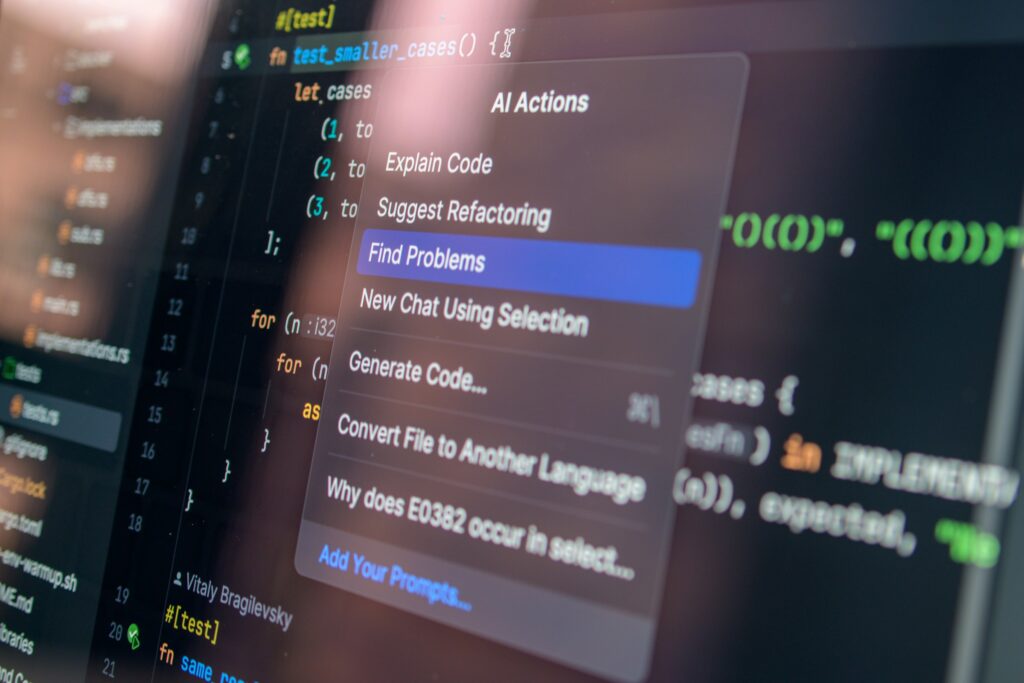
When AI writes code, who owns the mistakes?
AI-generated code is accelerating enterprise software delivery, but weak accountability, inconsistent controls and regulatory deadlines are exposing a critical governance gap for engineering leaders today.
AI-generated code is accelerating enterprise software delivery, but weak accountability, inconsistent controls and regulatory deadlines are exposing a critical governance gap for engineering leaders today.

AI agents are transforming software development, shifting developers from coders to orchestrators of intelligent workflows, where data, infrastructure and strategic oversight define success.

Edge computing strengthens cloud resilience by ensuring uptime during outages, enabling hybrid infrastructure strategies that protect critical workloads, reduce disruption, and support reliable business continuity.

How Formula 1’s AI-driven operations offer a blueprint for automotive manufacturers to improve agility, streamline workflows, and scale innovation across the entire vehicle lifecycle.

AI growth is driving energy demand sharply higher. Smaller, optimised models offer a sustainable path forward, reducing costs while maintaining performance and enabling wider enterprise adoption.

A practical AI maturity model helping procurement teams reduce backlogs, automate workflows, and evolve into strategic value creators delivering measurable ROI and business impact.

Inefficient security workflows are driving developer burnout, reducing productivity and increasing risk. Learn how automation and culture shifts can help teams regain focus and improve security outcomes.

AI in retail has moved from experimentation to execution, with success now defined by measurable outcomes, operational performance and real-world impact across supply chains.

Business resilience is often misunderstood. Discover the five maturity stages and how organisations can benchmark, strengthen operations, and move from reactive to strategically resilient.

AI performance is no longer driven by scale alone. Organised, connected context through knowledge graphs is emerging as the key to accurate, reliable enterprise intelligence.

Shadow AI is already embedded across organisations, creating unseen risks. Effective governance, visibility and control are now essential to manage AI adoption securely and responsibly.

Agentic AI is transforming enterprise operations, evolving from reactive co-pilots to proactive digital colleagues that drive autonomous outcomes, orchestration, and scalable business value.

AI-powered BPS is shifting from cost control to strategic advantage, enabling organisations to embed intelligence, improve decision-making, and drive long-term competitive growth.

Hybrid IT environments create major data visibility gaps. Organisations must prioritise unified data security, AI-driven detection and Zero Trust to protect sensitive data across complex ecosystems.

Lakshmi Hanspal of DigiCert explains how organisations can adapt to 47-day TLS certificate lifetimes by improving visibility, automating renewals and building crypto-agility.

AI does not scale through better code or tools. It scales through operating models, governance and alignment that allow organisations to embed autonomy safely and effectively.

AI hesitation is creating forward-looking technical debt. Adam Spearing of ServiceNow warns delayed system readiness will widen capability gaps and undermine enterprise competitiveness.

AI in retail delivers the greatest value behind the scenes, transforming supply chains with predictive insights, improving forecasting accuracy, reducing waste and enabling smarter operational decisions.

AI success depends on strong processes, clear outcomes and confident teams. Organisations that align people, workflows and data are far more likely to realise real AI value.

As AI natives enter the workforce, organisations must rethink governance, mentoring and productivity to bridge expectation gaps and embed intelligent systems responsibly.

Enterprise AI is moving beyond hype, shifting towards proactive systems, embedded intelligence and specialised models that deliver measurable impact, governance and real operational value.

AI must deliver measurable value in daily operations. From manufacturing to retail, businesses are shifting from pilots to practical deployment, building trust and preparing for agentic AI.

Mandatory UK e-invoicing from 2029 improves data quality, but without real-time VAT reporting, it may not fully address the £8.9bn VAT gap challenge.

AI workloads are transforming data centre heat management, demanding adaptive cooling strategies, hybrid liquid-air systems and intelligent thermal control across the entire facility.

Super Bowl advertising revealed a pivotal shift in AI branding, as companies prioritised trust, credibility and emotional resonance over product features and technical performance claims.

Chief Data Architect & Global Head of Engineering Harveer Singh speaks to Digital Bulletin.

A fresh approach to automation is driving new efficiencies in ABB’s Procurement & Logistics (GBS) organisation.

CTO Torsten Minkwitz tells us why European telco Lebara undertook a major public cloud migration

HARTMANN GROUP has been at the forefront of healthcare innovation for nearly 200 years. Today, technology transformation and new digital business models are enabling it to “go further for health”. Digital Bulletin met with CIO Sinanudin Omerhodzic and his team to find out more
The coronavirus pandemic has thrown all manner of challenges the way of enterprise, especially when it comes to security and protecting remote workers

Research carried out by Censuswide identifies the biggest concerns for UK IT leaders.

Biometrics face growing risk in the AI era as deepfakes rise, pushing organisations towards zero-knowledge architectures to protect identities and eliminate centralised data vulnerabilities critical.
AI agents are transforming software development, shifting developers from coders to orchestrators of intelligent workflows, where data, infrastructure and strategic oversight define success.
Edge computing strengthens cloud resilience by ensuring uptime during outages, enabling hybrid infrastructure strategies that protect critical workloads, reduce disruption, and support reliable business continuity.
How Formula 1’s AI-driven operations offer a blueprint for automotive manufacturers to improve agility, streamline workflows, and scale innovation across the entire vehicle lifecycle.
AI growth is driving energy demand sharply higher. Smaller, optimised models offer a sustainable path forward, reducing costs while maintaining performance and enabling wider enterprise adoption.
A practical AI maturity model helping procurement teams reduce backlogs, automate workflows, and evolve into strategic value creators delivering measurable ROI and business impact.
Inefficient security workflows are driving developer burnout, reducing productivity and increasing risk. Learn how automation and culture shifts can help teams regain focus and improve security outcomes.
AI in retail has moved from experimentation to execution, with success now defined by measurable outcomes, operational performance and real-world impact across supply chains.
Business resilience is often misunderstood. Discover the five maturity stages and how organisations can benchmark, strengthen operations, and move from reactive to strategically resilient.
AI performance is no longer driven by scale alone. Organised, connected context through knowledge graphs is emerging as the key to accurate, reliable enterprise intelligence.
Shadow AI is already embedded across organisations, creating unseen risks. Effective governance, visibility and control are now essential to manage AI adoption securely and responsibly.
Agentic AI is transforming enterprise operations, evolving from reactive co-pilots to proactive digital colleagues that drive autonomous outcomes, orchestration, and scalable business value.
AI-powered BPS is shifting from cost control to strategic advantage, enabling organisations to embed intelligence, improve decision-making, and drive long-term competitive growth.
Hybrid IT environments create major data visibility gaps. Organisations must prioritise unified data security, AI-driven detection and Zero Trust to protect sensitive data across complex ecosystems.
Lakshmi Hanspal of DigiCert explains how organisations can adapt to 47-day TLS certificate lifetimes by improving visibility, automating renewals and building crypto-agility.
AI does not scale through better code or tools. It scales through operating models, governance and alignment that allow organisations to embed autonomy safely and effectively.
AI hesitation is creating forward-looking technical debt. Adam Spearing of ServiceNow warns delayed system readiness will widen capability gaps and undermine enterprise competitiveness.
AI in retail delivers the greatest value behind the scenes, transforming supply chains with predictive insights, improving forecasting accuracy, reducing waste and enabling smarter operational decisions.
AI success depends on strong processes, clear outcomes and confident teams. Organisations that align people, workflows and data are far more likely to realise real AI value.
As AI natives enter the workforce, organisations must rethink governance, mentoring and productivity to bridge expectation gaps and embed intelligent systems responsibly.
Enterprise AI is moving beyond hype, shifting towards proactive systems, embedded intelligence and specialised models that deliver measurable impact, governance and real operational value.
AI must deliver measurable value in daily operations. From manufacturing to retail, businesses are shifting from pilots to practical deployment, building trust and preparing for agentic AI.
Mandatory UK e-invoicing from 2029 improves data quality, but without real-time VAT reporting, it may not fully address the £8.9bn VAT gap challenge.
AI workloads are transforming data centre heat management, demanding adaptive cooling strategies, hybrid liquid-air systems and intelligent thermal control across the entire facility.