

Smarter AI agents start with better-connected data
Jesús Barrasa of Neo4j explains how Agentic AI, powered by connected data and graph technology, enables smarter, autonomous decisions with greater trust, accuracy, and insight.
Jesús Barrasa of Neo4j explains how Agentic AI, powered by connected data and graph technology, enables smarter, autonomous decisions with greater trust, accuracy, and insight.

What technology investments will keep construction and manufacturing leaders occupied in 2025? Our panel opines.

A panel of experts discuss the technology trends set to occupy CIOs in primary industries, including mining and energy generation.

In 2025, CIOs must drive AI adoption and deliver ROI. Julian Mulhare, Managing Director EMEA at Searce, discusses the factors that matter.

Cybersecurity audits help businesses identify vulnerabilities, assess vendor risks, and ensure compliance. They optimise security strategies, minimise wasted resources, and strengthen defenses against evolving cyber threats.

Lynne Bailey, Lead Data Strategist at Databricks explores how controlled AI experimentation helps balance the C-suite’s urgency with technical teams’ need for careful, high-quality AI deployment.

Cyber criminals are becoming increasingly intelligent in their attempts to trick security solutions and mechanisms in companies using special techniques to disguise their attacks and prevent them from being detected.

Geoff Barlow, Product and Strategy Director at Node4 explores AI’s impact on jobs and cybersecurity, addressing concerns while highlighting the potential for new opportunities and the need for proactive planning and training.

Peer Software CEO Jimmy Tam discusses how CIOs can manage, secure, and integrate edge data to turn chaos into actionable insights and business value.

As AI systems become more autonomous, organisations must build teams skilled in AI safety and alignment. The future of AI depends on expertise in scaffolding, ethics, and oversight.

John Kelleher, Vice President at UiPath, emphasises the critical need for businesses to quickly adopt AI and automation to boost efficiency, productivity, and profitability.

Karel Callens, CEO of Luzmo, discusses how the Flex SDK bridges the gap between low-code simplicity and developer flexibility, shaping the future of app development.

Ted McHugh, Senior Director Analyst at Gartner, outlines three key steps for closing the cloud operations gap: clarifying roles, addressing the skills gap, and engaging stakeholders.

Alessandro Galimberti, Senior Director Analyst at Gartner, explores how generative AI is transforming Infrastructure and Operations, driving efficiency, agility, and competitive advantage for forward-thinking organisations.
Great data stories turn insights into action. By focusing on business priorities, speaking in financial terms, and advocating for users, analysts can drive impactful, data-driven decisions.

As generative AI and LLMs have increasingly become a staple in how teams work, the demand for skills to effectively leverage these technologies has surged

AI, ML, and generative technologies are transforming supply chains by enhancing efficiency, reducing costs, and enabling autonomous decision-making for logistics companies.

AI has the potential to revolutionise cybersecurity for Critical National Infrastructure (CNI), enabling smarter threat detection, operational resilience, and faster incident response in an evolving threat landscape.

UK and European companies are leveraging AI-powered identity verification and fraud detection solutions to combat cyberthreats like deepfakes, ensuring data security and building digital trust.

Alan Jacobson, Chief Data & Analytics Officer at Alteryx, explores how analytics democratisation – empowered by governance and data literacy can unlock the full potential of data.

AI-powered cyberattacks are growing more sophisticated, but organisations can fight back using AI-driven zero trust security, minimising vulnerabilities and preventing lateral movement within systems.

As computing evolves, organisations must prepare for three phases: edge computing, hybrid systems, and autonomous technologies, each reshaping business operations and human-technology interaction.

The EU AI Act introduces a comprehensive regulatory framework, classifying AI systems by risk, imposing strict compliance standards, and extending its reach globally, impacting organisations worldwide.

Aligning AI adoption with business goals is crucial for maximizing ROI, requiring robust data infrastructure and integration to enhance operational efficiency and drive innovation.

The future of construction lies in advanced Building Information Modeling (BIM) and AI, promising to enhance productivity, safety, and environmental compliance while addressing industry challenges.

The story of Telefónica Spain’s bold journey to augment its workforce with automation

Inside the Swedish company transforming global logistics

This month, Ben, Rom and James discuss how the world of sport is increasingly embracing technologies like cloud and AI. The panel also reviews our Salling Group case study, and Ben catches up with Bala Kumar, Chief Product Officer for Jumio.
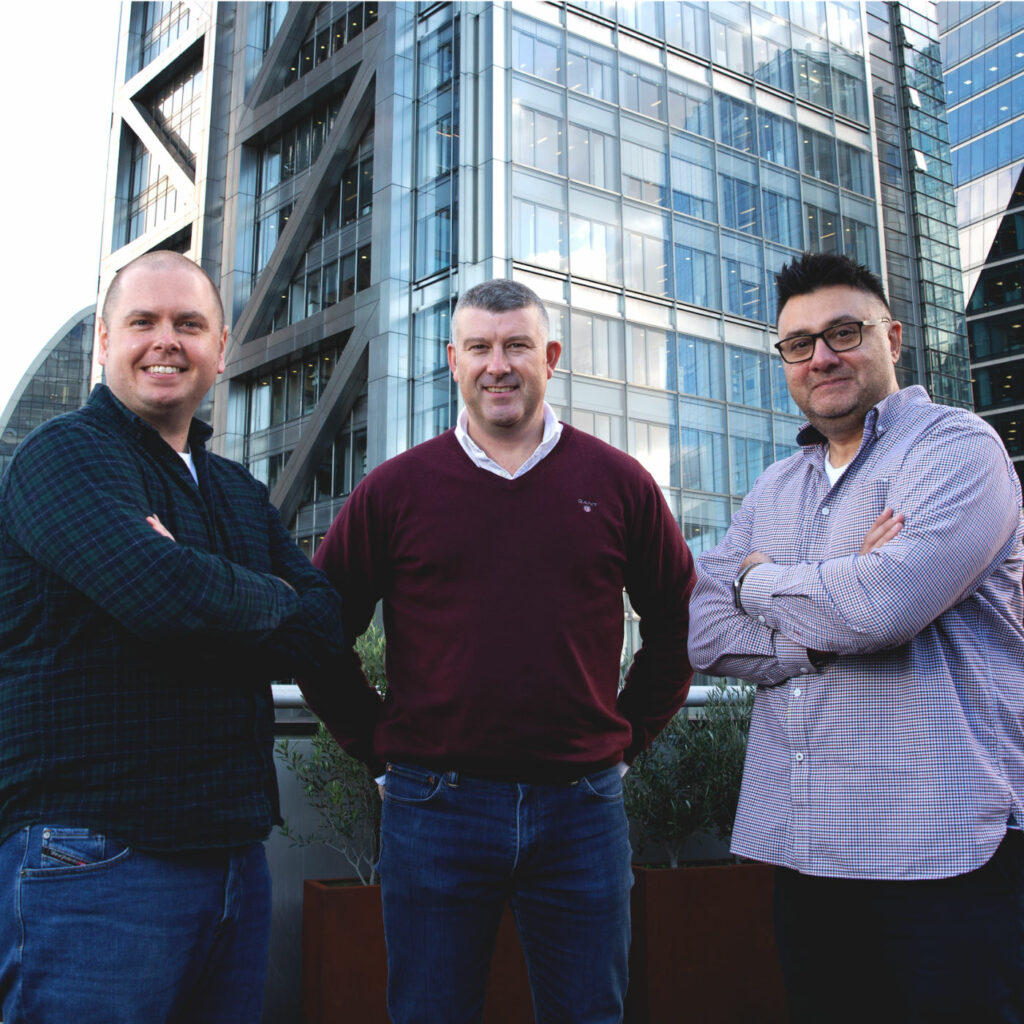
Green Flag’s Managing Director Dean Keeling, along with Chief Technology Officer Shakeel Butt and Chief Product Manager Jeremy Bristow, tell us how the roadside recovery provider is transforming into an “agile fintech” and why it is laser-focused on data and talent

Fresh off a bumper funding round, Snyk’s Founder & President Guy Podjarny shares his plans for its developer security platform and makes his case for open source

Kainos’ Gareth Workman on the rise of Kubernetes and what the future has in store for the “Swiss Army knife of technology”

IFS Ultimo’s Berend Booms on how manufacturers must invest in intelligent, automated asset management to survive and thrive.
What technology investments will keep construction and manufacturing leaders occupied in 2025? Our panel opines.
A panel of experts discuss the technology trends set to occupy CIOs in primary industries, including mining and energy generation.
In 2025, CIOs must drive AI adoption and deliver ROI. Julian Mulhare, Managing Director EMEA at Searce, discusses the factors that matter.
Cybersecurity audits help businesses identify vulnerabilities, assess vendor risks, and ensure compliance. They optimise security strategies, minimise wasted resources, and strengthen defenses against evolving cyber threats.
Lynne Bailey, Lead Data Strategist at Databricks explores how controlled AI experimentation helps balance the C-suite’s urgency with technical teams’ need for careful, high-quality AI deployment.
Cyber criminals are becoming increasingly intelligent in their attempts to trick security solutions and mechanisms in companies using special techniques to disguise their attacks and prevent them from being detected.
Geoff Barlow, Product and Strategy Director at Node4 explores AI’s impact on jobs and cybersecurity, addressing concerns while highlighting the potential for new opportunities and the need for proactive planning and training.
Peer Software CEO Jimmy Tam discusses how CIOs can manage, secure, and integrate edge data to turn chaos into actionable insights and business value.
As AI systems become more autonomous, organisations must build teams skilled in AI safety and alignment. The future of AI depends on expertise in scaffolding, ethics, and oversight.
John Kelleher, Vice President at UiPath, emphasises the critical need for businesses to quickly adopt AI and automation to boost efficiency, productivity, and profitability.
Karel Callens, CEO of Luzmo, discusses how the Flex SDK bridges the gap between low-code simplicity and developer flexibility, shaping the future of app development.
Ted McHugh, Senior Director Analyst at Gartner, outlines three key steps for closing the cloud operations gap: clarifying roles, addressing the skills gap, and engaging stakeholders.
Alessandro Galimberti, Senior Director Analyst at Gartner, explores how generative AI is transforming Infrastructure and Operations, driving efficiency, agility, and competitive advantage for forward-thinking organisations.
Great data stories turn insights into action. By focusing on business priorities, speaking in financial terms, and advocating for users, analysts can drive impactful, data-driven decisions.
As generative AI and LLMs have increasingly become a staple in how teams work, the demand for skills to effectively leverage these technologies has surged
AI, ML, and generative technologies are transforming supply chains by enhancing efficiency, reducing costs, and enabling autonomous decision-making for logistics companies.
AI has the potential to revolutionise cybersecurity for Critical National Infrastructure (CNI), enabling smarter threat detection, operational resilience, and faster incident response in an evolving threat landscape.
UK and European companies are leveraging AI-powered identity verification and fraud detection solutions to combat cyberthreats like deepfakes, ensuring data security and building digital trust.
Alan Jacobson, Chief Data & Analytics Officer at Alteryx, explores how analytics democratisation – empowered by governance and data literacy can unlock the full potential of data.
AI-powered cyberattacks are growing more sophisticated, but organisations can fight back using AI-driven zero trust security, minimising vulnerabilities and preventing lateral movement within systems.
As computing evolves, organisations must prepare for three phases: edge computing, hybrid systems, and autonomous technologies, each reshaping business operations and human-technology interaction.
The EU AI Act introduces a comprehensive regulatory framework, classifying AI systems by risk, imposing strict compliance standards, and extending its reach globally, impacting organisations worldwide.
Aligning AI adoption with business goals is crucial for maximizing ROI, requiring robust data infrastructure and integration to enhance operational efficiency and drive innovation.