
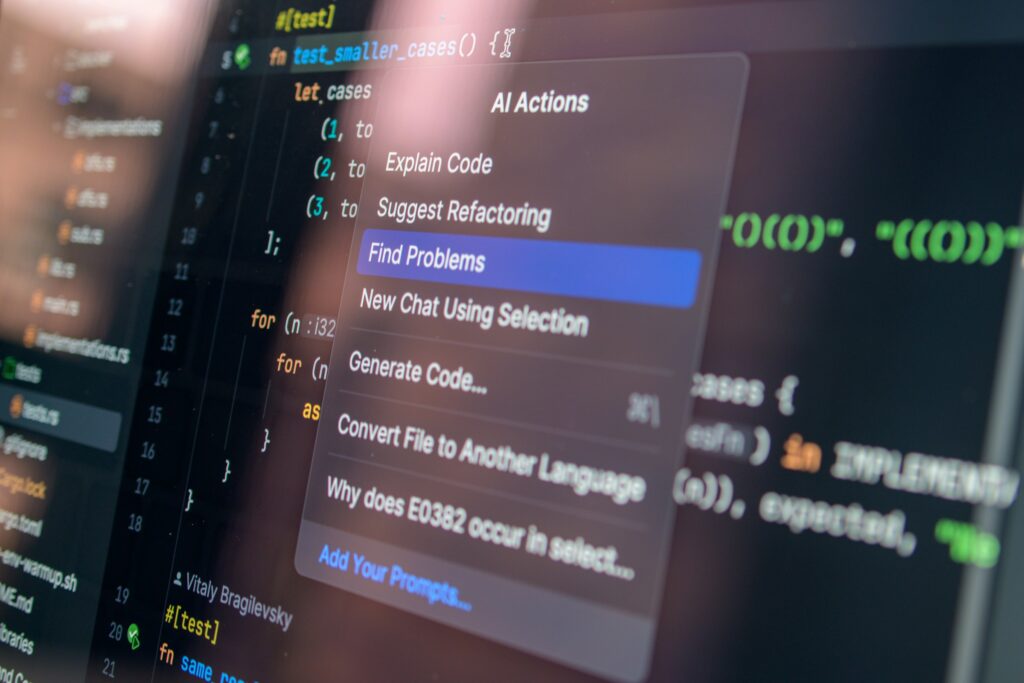
When AI writes code, who owns the mistakes?
AI-generated code is accelerating enterprise software delivery, but weak accountability, inconsistent controls and regulatory deadlines are exposing a critical governance gap for engineering leaders today.
AI-generated code is accelerating enterprise software delivery, but weak accountability, inconsistent controls and regulatory deadlines are exposing a critical governance gap for engineering leaders today.

Alessandro Galimberti, Senior Director Analyst at Gartner, explores how generative AI is transforming Infrastructure and Operations, driving efficiency, agility, and competitive advantage for forward-thinking organisations.

Great data stories turn insights into action. By focusing on business priorities, speaking in financial terms, and advocating for users, analysts can drive impactful, data-driven decisions.

As generative AI and LLMs have increasingly become a staple in how teams work, the demand for skills to effectively leverage these technologies has surged

AI, ML, and generative technologies are transforming supply chains by enhancing efficiency, reducing costs, and enabling autonomous decision-making for logistics companies.

AI has the potential to revolutionise cybersecurity for Critical National Infrastructure (CNI), enabling smarter threat detection, operational resilience, and faster incident response in an evolving threat landscape.

UK and European companies are leveraging AI-powered identity verification and fraud detection solutions to combat cyberthreats like deepfakes, ensuring data security and building digital trust.

Alan Jacobson, Chief Data & Analytics Officer at Alteryx, explores how analytics democratisation – empowered by governance and data literacy can unlock the full potential of data.

AI-powered cyberattacks are growing more sophisticated, but organisations can fight back using AI-driven zero trust security, minimising vulnerabilities and preventing lateral movement within systems.

As computing evolves, organisations must prepare for three phases: edge computing, hybrid systems, and autonomous technologies, each reshaping business operations and human-technology interaction.

The EU AI Act introduces a comprehensive regulatory framework, classifying AI systems by risk, imposing strict compliance standards, and extending its reach globally, impacting organisations worldwide.

Aligning AI adoption with business goals is crucial for maximizing ROI, requiring robust data infrastructure and integration to enhance operational efficiency and drive innovation.

The future of construction lies in advanced Building Information Modeling (BIM) and AI, promising to enhance productivity, safety, and environmental compliance while addressing industry challenges.

DevOps is reshaping how organisations deliver value by streamlining application delivery and fostering innovation. Automation and AI are pivotal in enhancing efficiency and collaboration.

Gartner’s René Büst explains how organisations must navigate sovereignty definitions to create effective cloud strategies, focusing on data, operational, and technological aspects for compliance and autonomy.

The rise of AI-driven autonomous sourcing is revolutionising procurement, enhancing efficiency and decision-making, while ensuring human expertise remains central to the process.

Chris Perrin highlights the top 10 cybersecurity threats facing the UK financial services sector, including ransomware, supply chain vulnerabilities, and evolving regulatory challenges.

Steve Elcock, neuroscientist and founder of elementsuite, runs down the global state of play in AI and says effective regulation needs a prefrontal cortex.

Insider threats are rising in financial services, costing organizations millions. Robust security measures and proactive monitoring are essential to mitigate these risks effectively.

AI and ML are revolutionising electronics manufacturing by optimising production processes, improving quality control, and boosting productivity. Embracing these advanced technologies is crucial for success in Industry 4.0.

Cloud migration boosts enterprise ROI, with companies mastering cloud tech seeing significant cost savings and revenue growth. A strategic, transformative approach is essential for success.

The UK’s digital transformation centres on secure digital identity solutions, enhancing public services by simplifying access, ensuring privacy, and promoting inclusivity for all citizens in essential areas including healthcare and education.

Content automation expert John Bates sees hugely responsive content as being within our reach. But what needs to happen to get us over the line?

AI and simulation are revolutionising design optimisation across industries. From chip design to aerospace and automotive, this synergy accelerates innovation, enhances accuracy, and drives efficiency.

As data management evolves from lakes to fabrics, organisations must address integration challenges and privacy concerns while leveraging AI and automation for real-time insights and efficient data governance.

IAG Loyalty discusses its multi-year digital transformation and the future of product and customer-centric loyalty.

Unilever is bringing the fourth industrial revolution to ice cream manufacturing.

HARTMANN GROUP has been at the forefront of healthcare innovation for nearly 200 years. Today, technology transformation and new digital business models are enabling it to “go further for health”. Digital Bulletin met with CIO Sinanudin Omerhodzic and his team to find out more

This month Ben, Rom and James introduce Digital Bulletin’s new sister platform Tech For Good and debate whether the industry’s most influential players are doing enough in an era of great environmental and societal flux. They also revisit our Norfolk County Council case study, while Ben catches up with Sweden’s Most Innovative Leader from 2019, Jessica Nordlander.

AI is boosting productivity in the workplace, according to Oleg Rogynskyy, CEO at People.ai

Redis Labs CEO and co-founder Ofer Bengal tells Digital Bulletin why the future of databases is tied to AI

Ted McHugh, Senior Director Analyst at Gartner, outlines three key steps for closing the cloud operations gap: clarifying roles, addressing the skills gap, and engaging stakeholders.
Alessandro Galimberti, Senior Director Analyst at Gartner, explores how generative AI is transforming Infrastructure and Operations, driving efficiency, agility, and competitive advantage for forward-thinking organisations.
Great data stories turn insights into action. By focusing on business priorities, speaking in financial terms, and advocating for users, analysts can drive impactful, data-driven decisions.
As generative AI and LLMs have increasingly become a staple in how teams work, the demand for skills to effectively leverage these technologies has surged
AI, ML, and generative technologies are transforming supply chains by enhancing efficiency, reducing costs, and enabling autonomous decision-making for logistics companies.
AI has the potential to revolutionise cybersecurity for Critical National Infrastructure (CNI), enabling smarter threat detection, operational resilience, and faster incident response in an evolving threat landscape.
UK and European companies are leveraging AI-powered identity verification and fraud detection solutions to combat cyberthreats like deepfakes, ensuring data security and building digital trust.
Alan Jacobson, Chief Data & Analytics Officer at Alteryx, explores how analytics democratisation – empowered by governance and data literacy can unlock the full potential of data.
AI-powered cyberattacks are growing more sophisticated, but organisations can fight back using AI-driven zero trust security, minimising vulnerabilities and preventing lateral movement within systems.
As computing evolves, organisations must prepare for three phases: edge computing, hybrid systems, and autonomous technologies, each reshaping business operations and human-technology interaction.
The EU AI Act introduces a comprehensive regulatory framework, classifying AI systems by risk, imposing strict compliance standards, and extending its reach globally, impacting organisations worldwide.
Aligning AI adoption with business goals is crucial for maximizing ROI, requiring robust data infrastructure and integration to enhance operational efficiency and drive innovation.
The future of construction lies in advanced Building Information Modeling (BIM) and AI, promising to enhance productivity, safety, and environmental compliance while addressing industry challenges.
DevOps is reshaping how organisations deliver value by streamlining application delivery and fostering innovation. Automation and AI are pivotal in enhancing efficiency and collaboration.
Gartner’s René Büst explains how organisations must navigate sovereignty definitions to create effective cloud strategies, focusing on data, operational, and technological aspects for compliance and autonomy.
The rise of AI-driven autonomous sourcing is revolutionising procurement, enhancing efficiency and decision-making, while ensuring human expertise remains central to the process.
Chris Perrin highlights the top 10 cybersecurity threats facing the UK financial services sector, including ransomware, supply chain vulnerabilities, and evolving regulatory challenges.
Steve Elcock, neuroscientist and founder of elementsuite, runs down the global state of play in AI and says effective regulation needs a prefrontal cortex.
Insider threats are rising in financial services, costing organizations millions. Robust security measures and proactive monitoring are essential to mitigate these risks effectively.
AI and ML are revolutionising electronics manufacturing by optimising production processes, improving quality control, and boosting productivity. Embracing these advanced technologies is crucial for success in Industry 4.0.
Cloud migration boosts enterprise ROI, with companies mastering cloud tech seeing significant cost savings and revenue growth. A strategic, transformative approach is essential for success.
The UK’s digital transformation centres on secure digital identity solutions, enhancing public services by simplifying access, ensuring privacy, and promoting inclusivity for all citizens in essential areas including healthcare and education.
Content automation expert John Bates sees hugely responsive content as being within our reach. But what needs to happen to get us over the line?
AI and simulation are revolutionising design optimisation across industries. From chip design to aerospace and automotive, this synergy accelerates innovation, enhances accuracy, and drives efficiency.