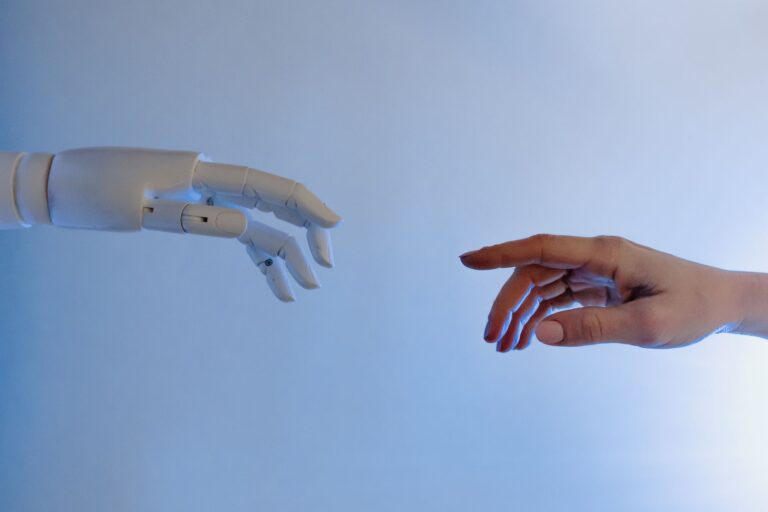
The recent partnership between Warner Music Group, one of the big three global music corporations, and Suno, an AI music creation platform, is a major moment in the AI conversation. AI is not sitting at the edge of the creative industries anymore; instead it is moving into the heart of where culture is shaped. As this shift accelerates, the core question becomes one of purpose: what do we want creativity to represent in an era of intelligent tools? For me, the answer always comes back to human imagination. Technology can accelerate the process, but meaning, identity, and artistic intent still originate with people.
The debate is unfolding at a time when many artists are voicing frustration about how their work is being used to train AI systems, and their concerns are valid. These tensions appear after decades of steady convergence between creativity and technology. Digital tools have shaped how artists produce, collaborate and share their ideas. AI is simply the newest part of that progression. The direction is already set. The real question is who gets to shape what happens next. The answer should be the artists. Our role in defining the future of creative ownership has never been more critical.
We have been here before
This isn’t anything new. Early disruption from piracy left creators fighting to protect their work. Streaming rebuilt parts of the business but also created new inequities, with many musicians feeling sidelined from the platforms built on their content. These cycles revealed a pattern. When technology moves fast, creators often carry the burden of change without gaining influence over the systems that replace older models.
These experiences show why purpose matters. If new systems are not rooted in the value of human imagination and with the creators or artists in mind, they risk drifting towards scale at the expense of integrity and identity.
As AI becomes more capable of imitating voices, styles and creative signatures, protecting artistic identity becomes even more important
AI now introduces similar risks. Large models learn from vast catalogues of music, film, and imagery, with much of it pulled from public platforms or digital archives. They generate new content shaped by the creative labour of others, raising questions about identity, recognition, and value. More importantly, they highlight the human material beneath every AI output. Without artists, these systems would have nothing to build on.
AI as a creative partner
The creative process itself is adapting in response. Some artists are yet to open their arms to AI. Others explore it with cautious curiosity. Many experiment with it as simply another tool in the studio. AI now sits somewhere between reference, collaborator and problem-solver.
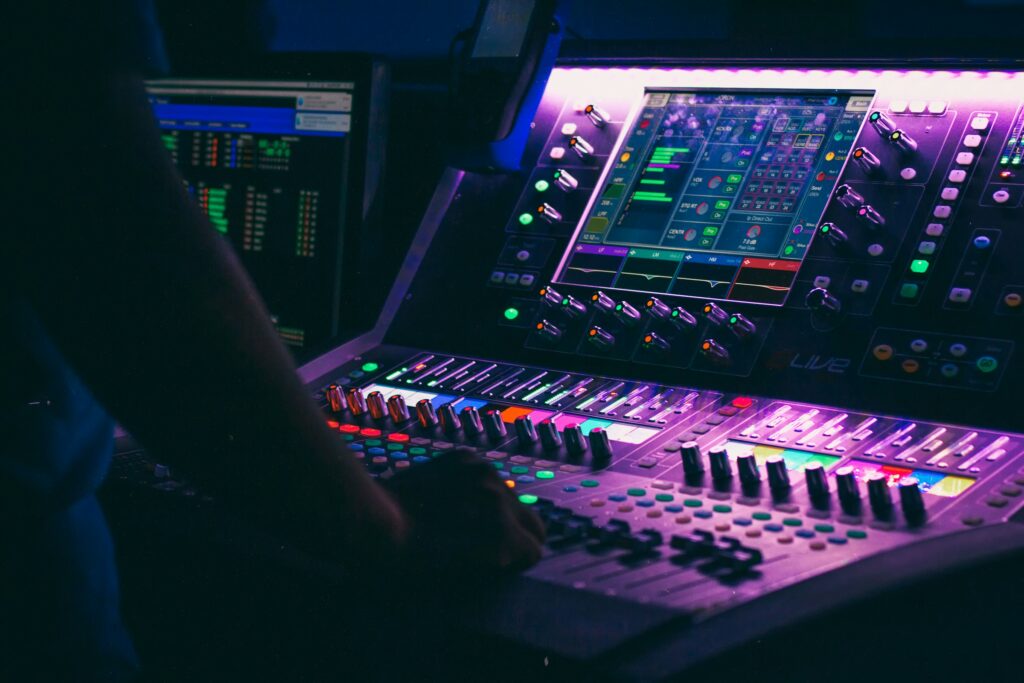
My own workflow reflects that mix. AI often helps me spark ideas when I’m stuck. It can help refine vocals or generate chord sequences. Tools like Suno and Udio support quick ideation. Apple has added AI-powered tools into Logic Pro and GarageBand, which speeds up editing and experimentation. A rough idea can turn into a usable sketch in minutes. However, regardless of the tool, the purpose remains the same and it is to give human imagination more room to move. That spark in music still comes from us.
There is also a deeper technical benefit. Large language models like Gemini 3, from Google DeepMind, help me write and test small pieces of code. Others help me extract and analyse stems, or break down the structure of a track. They push me to explore alternate arrangements. These tools open new creative paths I may of not have considered. But again, every model reflects a history of human work and ingenuity. That trust must inform how these systems are built and governed.
Beyond this, AI has the potential to widen access. A musician with limited equipment can create a high-quality track. A filmmaker can plan scenes without expensive software. A designer can visualise concepts without specialised training. Increased access strengthens the creative ecosystem, but only when it is paired with fair recognition for the artists whose work makes such access possible.
Frameworks for creative work
Artists concerns about AI are rooted in a clear reality which is that modern models are fuelled by human-made music, images and performances to learn, yet the artists behind that training data often receive little visibility or control. As AI becomes more capable of imitating voices, styles and creative signatures, protecting artistic identity becomes even more important.
New frameworks are beginning to emerge. Some music groups are experimenting with advanced metadata-based fingerprinting systems capable of identifying melodic phrases or vocal qualities with remarkable precision. This kind of traceability strengthens ownership claims and gives artists greater confidence that their work is being recognised.
Other approaches focus on negotiation and agency. Several new intermediaries now act as brokers between artists and AI platforms, helping creators engage directly with developers and establish clearer terms for participation. Some artists are even pioneering open models of their own, allowing people to train AI systems using their voice or style in exchange for transparent revenue-sharing.
This collective push is not limited to music. In late 2025, hundreds of Hollywood creatives which included Oscar winners came together to launch the Creators Coalition on AI, which I am a signatory. It is a first-of-its-kind industry body formed to fight for transparency, consent, compensation and clear ethical guardrails in the use of AI. Its founders were explicit that their intent was not to reject AI but to refuse to let the technology move fast without those whose work gives it meaning. This is a clear sign that the industry is responding and that clearer frameworks need to be put in place, marking a positive step toward a more transparent, creator-centric ecosystem.
The future of British creativity
British creativity carries influence far beyond the UK, and that reach places real weight on how the industry responds to this moment. That reach gives the UK a distinctive role in shaping how artists navigate the AI area. As the relationship between humans and intelligent tools deepens, the foundations must remain centred on the value of imagination and the clarity of purpose that has always defined British creative identity.
Technology will keep evolving. New forms of expression will emerge. However, the systems that shape the future will be the strongest when they are aligned with the people whose ideas give art its meaning culture its voice.
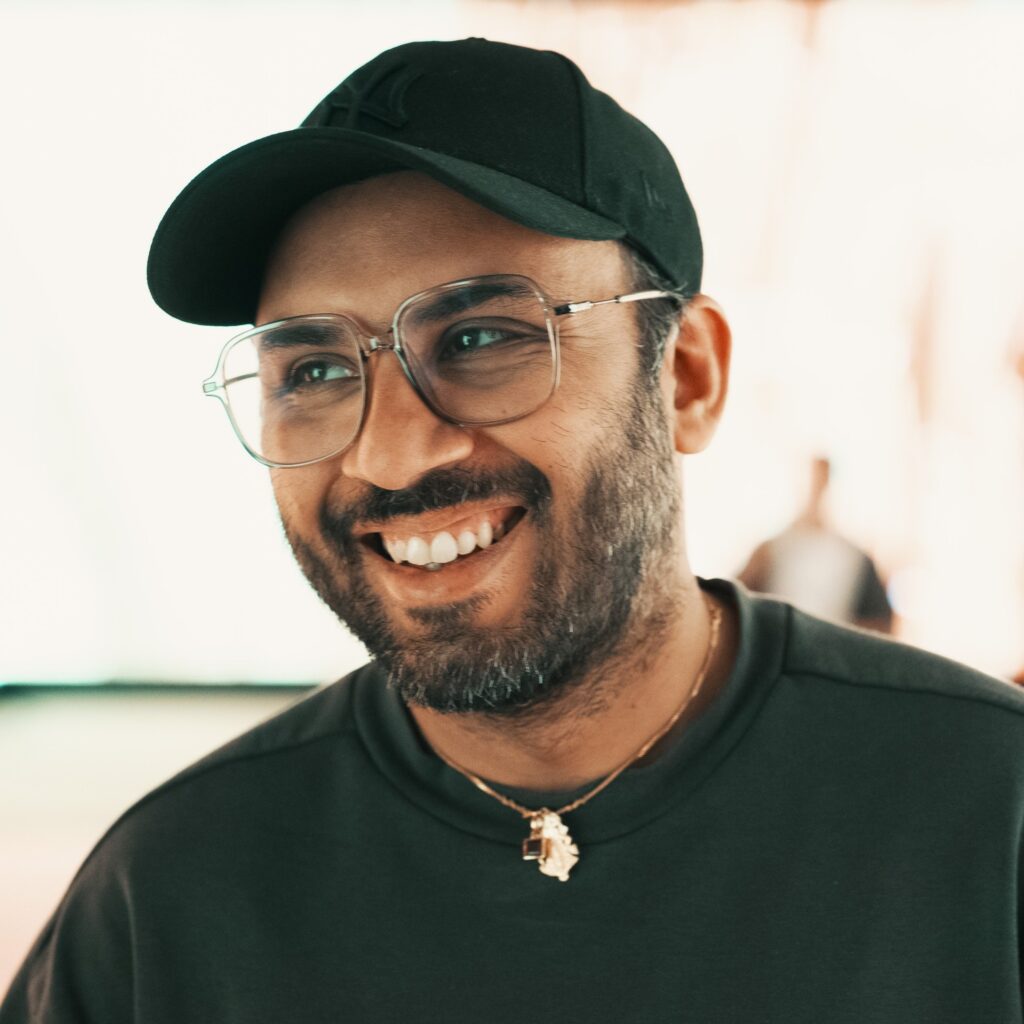
Manon Dave
Manon Dave is a UK-based music producer, songwriter, award-winning technologist and serial entrepreneur. His works include production and co-writes with will.i.am and the Black Eyed Peas (‘Fiyah’) and Maroon 5 members; Adam Levine, PJ Morton, and James Valentine.