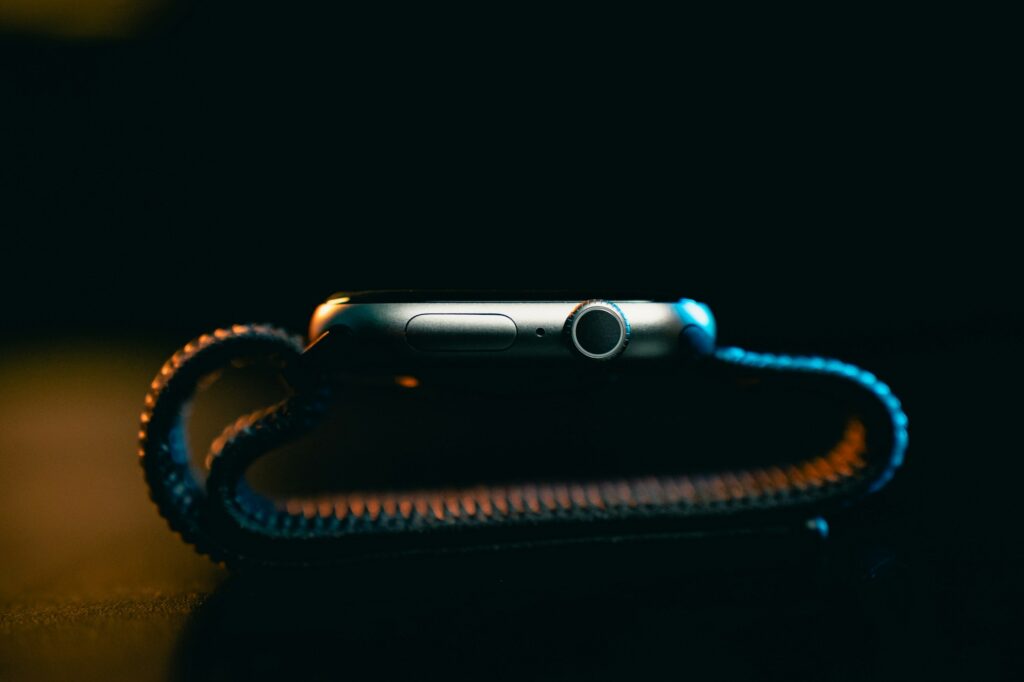
Wearable technology is moving from something we use to something that increasingly understands us – and that shift could fundamentally change how brands connect with customers. Oura’s recent IPO, targeting a $15.6bn valuation, alongside the launch of Meta’s latest glasses and Snap’s Specs, are all indicative of how quickly this space is evolving. These devices are moving beyond being gadgets we use to track, browse or communicate with, and more towards becoming an intelligent layer between us and the world around us.
And for the retail space, this shift has the potential to be hugely transformative for the customer journey. As intelligence moves into the things we wear, the most advanced retail spaces may become quieter, more tactile and more human.
The end of the traditional customer journey
Shopping has already escaped the store, and that is no longer news. We discover products on the street, on social media, in restaurants, at the gym, and often buy them without ever stepping into a shop. Wearables might push this behaviour even further. These devices stay with us, carrying information about where we are, what we do and increasingly what we like.
Add wearable glasses that can recognise what you are looking at and an AI agent that can act on your behalf, and the process of shopping has the potential to turn into something that can take seconds. This advanced technology can shift buying behaviours significantly – customers moving towards a world of seeing something, wanting something, buying something; our wish fulfilment happening in the blink of an eye, perhaps literally.
For those of us designing physical retail, that opens up a much more interesting conversation than another wave of AR-enhanced stores. Brands have spent years adding screens, QR codes, smart mirrors and apps in the hope of making spaces feel connected with digital commerce. Some of it is genuinely useful, but a lot of it still feels gimmicky and strangely removed from the human interactions, sensory cues and sense of place that truly make people care about a brand.
"The more friction disappears from buying, the harder physical space has to work to give us a reason to be there."
Wearable tech itself is also becoming increasingly sophisticated. Oura rings build a personal baseline over time, learning what is normal for its wearer across sleep, recovery and activity. Meta’s AI agent, Muse, can already browse, compare options and complete purchases once the user approves them, and Meta plans to bring that capability to its glasses in the near future. Snap’s new SPECS Intelligence is designed to understand goals, routines and relationships across the apps a user chooses to connect, then surface information before they have even asked for it.
Together, these products point towards something more significant than another screen we can wear. They’re the beginnings of technology that can remember, understand context and increasingly act as a filter between the spaces we inhabit and the thoughts that we have.
Imagine seeing a coat on someone walking past you. Today there is still friction between that moment and a purchase: take a picture, work out the brand, search for the product, check the price, find your size, decide whether to visit a store. With AI-enabled glasses, much of that could happen before the coat disappears around the corner.
However, you might still choose to visit a store because you want to touch it, try it on or see the rest of the collection, but you arrive already knowing what you want and why you are there. Once that becomes normalised, anywhere a customer could be could start to become part of the shop. Discovery might happen halfway up a mountain, outside a restaurant, or on a morning run. Shopping starts wherever the desire begins. The store becomes a brand world, while the world itself becomes shoppable.
When the store stops being the shop
Now this has radical implications for the way we design retail. If the wearable is already doing the searching, remembering and explaining, the store does not need to do all of that too. The product range can be more selective. Stock, sizing, branding, technical information and the wider collection can appear when they are useful rather than competing for space inside the store. A space could centre on a handful of products, or even one extraordinary object, and give far more attention to material, touch, light, sound, service and atmosphere.
That same physical space could effectively become a different store for every person who enters it. One customer might see technical or performance information, another styling or relevant art or culture. A returning visitor could pick up exactly where they left off. Light, sound or material cues might shift subtly around something a customer has saved, tried or shown interest in before. None of this needs to become a big interactive moment. The architecture stays shared and physical while the information around it becomes completely personal.
![Nike_Mind_001[22]](https://www.node-magazine.com/wp-content/uploads/2026/09/Nike_Mind_00122-e1790349678483-1024x512.jpg)
That personalisation needs restraint. Location, behaviour, taste and biometric data are intimate, and brands cannot assume that having access to something gives them permission to use it. The store still needs to work brilliantly for someone who shares nothing. When a customer does opt in, there should be a clear return: a better edit, less repetition, smarter service, perhaps a fitting room already prepared. The difference between something feeling intuitive and feeling invasive will come down to whether the customer sees genuine value in the exchange.
Then there is the bigger possibility. If discovery, product information and even the purchase can happen through the wearable, the flagship no longer needs to organise itself around shopping at all. It could be a restaurant, a swimming pool, a workshop, a listening room, a clubhouse, or something we have not traditionally thought of as retail. The brand still has a physical home, but product and transaction no longer have to dictate what happens inside it.
From where I’m standing, that’s the more exciting future for physical retail. Brands will always want places where people can step into their world, and people will continue to value experiences that happen in real life. As buying becomes easier and increasingly invisible, those spaces have permission to become much more specific and authentic. The aim is no longer to add an immersive experience to a store. The whole space can become the experience, with shopping happening within your wearable.
The more friction disappears from buying, the harder physical space has to work to give us a reason to be there. That may ultimately be the most interesting effect of wearable technology on retail, as the next generation of flagship could be defined by how little it resembles the store as we know it.

Rachel Harding
Rachel Harding is Design Director at Seen Studios.