Why retail AI is now judged on performance, not potential
AI in retail has moved from experimentation to execution, with success now defined by measurable outcomes, operational performance and real-world impact across supply chains.

AI in retail has moved from experimentation to execution, with success now defined by measurable outcomes, operational performance and real-world impact across supply chains.

AI in retail delivers the greatest value behind the scenes, transforming supply chains with predictive insights, improving forecasting accuracy, reducing waste and enabling smarter operational decisions.


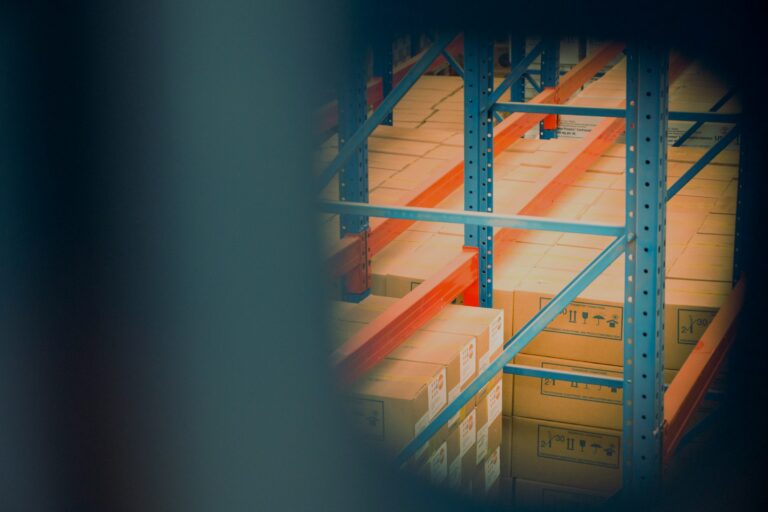
AI-driven order-to-cash transformation is emerging as a strategic growth engine, improving liquidity, reducing risk and enhancing customer experience across B2B and B2C organisations.

Retailers must blend strong logistics, AI-powered personalisation, real-time visibility and robust data foundations to meet rising customer expectations and drive successful Black Friday performance in 2025.

Fiona Reid, Director of International Business at Pattern, explores how data and AI empower brands to build resilient, compliant, and agile global supply chains amid rising complexity.

Industry leaders reflect on UK manufacturing growth this National Manufacturing Day, highlighting innovation, digitalisation, skills, and resilience as key drivers for future competitiveness and efficiency.

Smarter, sustainable supply chains powered by item-level intelligence strengthen resilience, cut costs, and reduce environmental impact while enhancing transparency, customer experience, and long-term business stability.

Third-party risk management must evolve beyond compliance to become a proactive, intelligence-led discipline—bridging silos, embracing real-time visibility, and addressing human, technological, and process-based gaps.

Build supply chain resilience by integrating AI, automation, and agile tech to withstand disruptions, improve decision-making, and enhance performance amid today’s unpredictable global landscape.

AI is revolutionising supply chains by enhancing efficiency, resilience, and collaboration—empowering humans to focus on strategy while machines handle complexity, risk, and repetitive tasks.

AI, ML, and generative technologies are transforming supply chains by enhancing efficiency, reducing costs, and enabling autonomous decision-making for logistics companies.

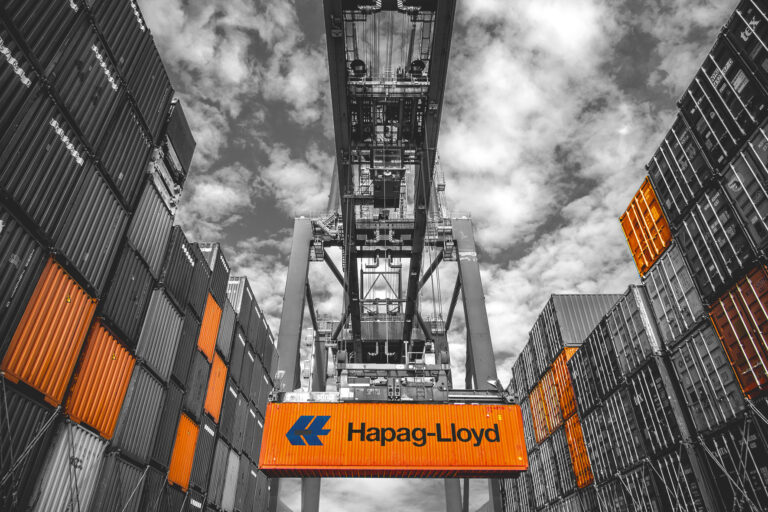
Hapag-Lloyd employs Intelligent Automation, including RPA and AI, to boost efficiency and customer service in pursuit of its goal to become number one for quality.
Navigating disruptions: Alan Duncan shares insights on leveraging technology for resilience in today’s complex global supply chain challenges.

Supply chain disruptions date back centuries, yet modern challenges demand agile, tech-driven solutions for resilience and sustainability in operations.

Industry veteran Christian Pedersen on the future of ERP and enterprise software

Driving change by digitalising the global supply chain

The team at North Caspian Operating Company takes us behind the scenes of its new innovative initiatives.

Intuit has carved out a reputation as one of the world’s most innovative design centres.

Commercial and private transport is about to move through perhaps its most transformative phase

Shining light on the future of machine autonomy

John Vickery, Principal Technology Architect for BT, gives us its top 5G predictions for 2020

The UK’s AI ambitions risk stalling without widespread education, as gaps in training across schools and businesses undermine effective adoption and long-term return on investment.

Digital transformation is a fundamental piece in the growth plans of many Central Asian countries, including Kazakhstan.
The team at North Caspian Operating Company, the largest offshore oil and gas producer in the country, takes Digital Bulletin behind the scenes of its new innovative initiatives

CTO Torsten Minkwitz tells us why European telco Lebara undertook a major public cloud migration

AI in retail has moved from experimentation to execution, with success now defined by measurable outcomes, operational performance and real-world impact across supply chains.

AI in retail delivers the greatest value behind the scenes, transforming supply chains with predictive insights, improving forecasting accuracy, reducing waste and enabling smarter operational decisions.
AI-driven order-to-cash transformation is emerging as a strategic growth engine, improving liquidity, reducing risk and enhancing customer experience across B2B and B2C organisations.

Retailers must blend strong logistics, AI-powered personalisation, real-time visibility and robust data foundations to meet rising customer expectations and drive successful Black Friday performance in 2025.

Fiona Reid, Director of International Business at Pattern, explores how data and AI empower brands to build resilient, compliant, and agile global supply chains amid rising complexity.

Industry leaders reflect on UK manufacturing growth this National Manufacturing Day, highlighting innovation, digitalisation, skills, and resilience as key drivers for future competitiveness and efficiency.

Smarter, sustainable supply chains powered by item-level intelligence strengthen resilience, cut costs, and reduce environmental impact while enhancing transparency, customer experience, and long-term business stability.

Third-party risk management must evolve beyond compliance to become a proactive, intelligence-led discipline—bridging silos, embracing real-time visibility, and addressing human, technological, and process-based gaps.

Build supply chain resilience by integrating AI, automation, and agile tech to withstand disruptions, improve decision-making, and enhance performance amid today’s unpredictable global landscape.

AI is revolutionising supply chains by enhancing efficiency, resilience, and collaboration—empowering humans to focus on strategy while machines handle complexity, risk, and repetitive tasks.

AI, ML, and generative technologies are transforming supply chains by enhancing efficiency, reducing costs, and enabling autonomous decision-making for logistics companies.

Hapag-Lloyd employs Intelligent Automation, including RPA and AI, to boost efficiency and customer service in pursuit of its goal to become number one for quality.
Navigating disruptions: Alan Duncan shares insights on leveraging technology for resilience in today’s complex global supply chain challenges.

Supply chain disruptions date back centuries, yet modern challenges demand agile, tech-driven solutions for resilience and sustainability in operations.

Industry veteran Christian Pedersen on the future of ERP and enterprise software

Driving change by digitalising the global supply chain